Suspected Shingles With a Weakened Immune System: What to Tell Your Care Team
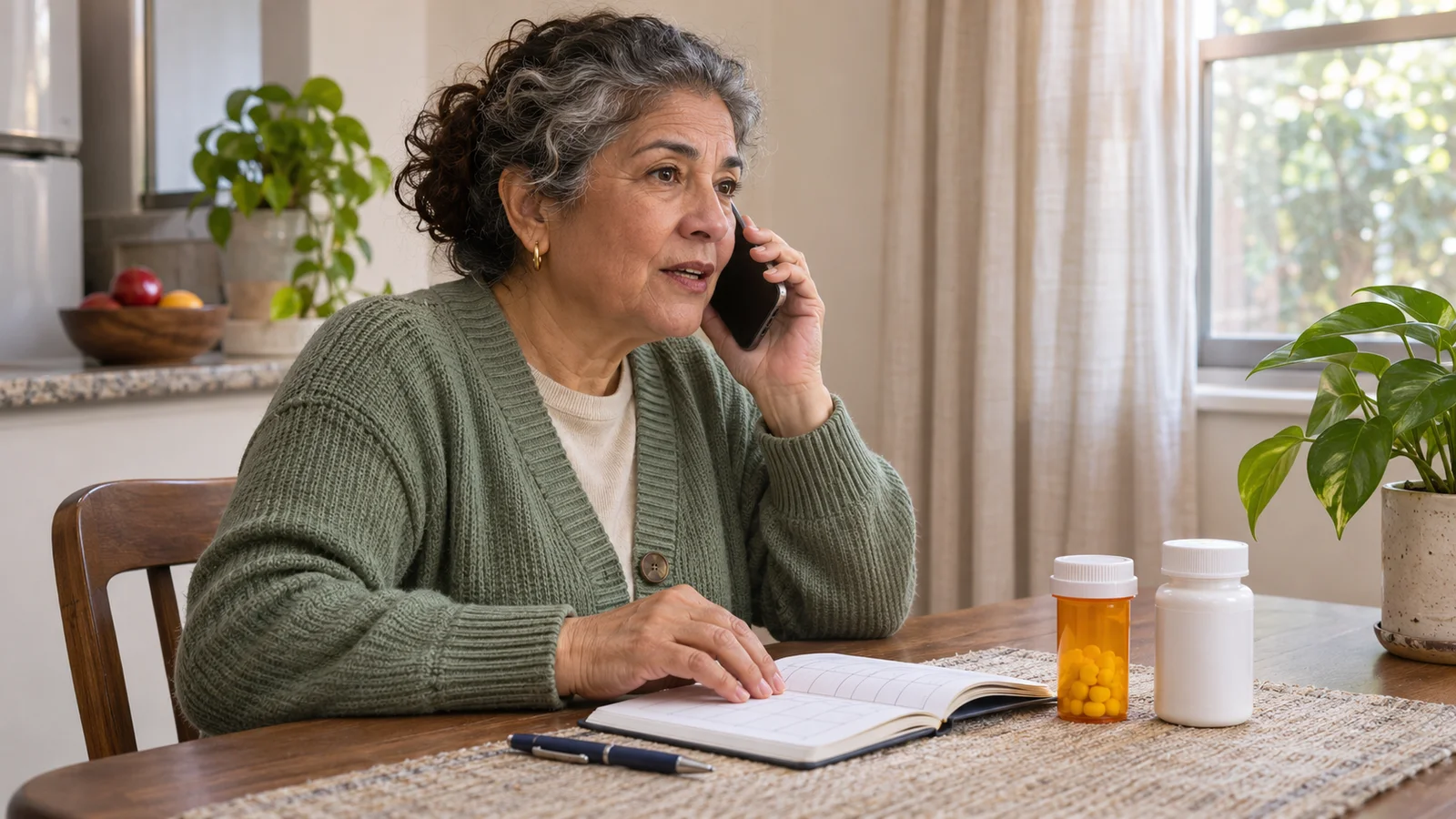
A painful patch of skin or a few new blisters can be easy to put off when you already have appointments for another condition. But if your immune system is weakened by an illness or its treatment, suspected shingles deserves urgent medical advice. Tell the person taking your call what affects your immune system and where the rash first appeared. Even a small patch can matter. The team can tell you how quickly to be seen, whether to come to your usual clinic and how to arrive without exposing other patients.
Julissa Clay’s catalog includes The Shingle Solution digital guide and product information. The guidance below focuses on contacting your care team when a new rash may be shingles and your immune defenses are reduced.
Why an immune-suppressing treatment changes the call
Shingles occurs when varicella-zoster virus, the virus that causes chickenpox, becomes active again in a nerve. The immune system usually keeps it in check after a person recovers from chickenpox. When those defenses weaken, the risk of shingles rises. People with weakened immune systems are also more likely to develop an unusual rash or a severe illness, which is why a clinic may arrange closer or faster assessment.
Examples include people receiving certain treatments for cancer, people who have had an organ or stem cell transplant, and some people with HIV. Medicines used for autoimmune or inflammatory illnesses can also suppress the immune system. The effect depends on the drug, the treatment schedule and the person. Saying “I had my last infusion on Tuesday” or reading the medication name from its label is more helpful than trying to decide how immunosuppressed you are. If you are unsure whether a medicine affects your immune system, mention it anyway so your care team can check.
Keep the names of your specialist and primary care clinic handy. If an oncology or transplant team gave you a direct line for signs of infection, follow its instructions for using that number, including after hours. Otherwise, contact a local urgent medical service and explain your condition and medications. You can report the rash even if someone from another clinic originally prescribed the medicine or you finished a course recently.
Describe how the rash is changing
The usual shingles rash appears as clusters of blisters in a band on one side of the body. It may be preceded by burning, tingling or tenderness. A weakened immune system makes it more likely that shingles will look different from pictures of a neat stripe on one side. The rash can be more extensive, spread beyond the first patch, or linger. Clinicians use the term disseminated zoster when the infection has spread beyond its initial area in a characteristic way. It can sometimes affect organs as well as the skin and needs prompt evaluation.
When you call, describe where the first patch started, whether you see fresh blisters and whether there are spots elsewhere. Report fever, chills, feeling unusually ill, or a change near the eye or nose or in your vision. If you are having cancer treatment and have a fever, use the urgent infection instructions from your oncology team straight away. If you develop trouble breathing or sudden confusion, seek emergency help. You do not need to wait to see whether a skin change and another symptom are connected before reporting both.
Rash color alone is a poor description. Changes can be harder to see against some skin tones, and the first clue may be that clothing brushing against the skin hurts. If the clinic asks for photographs, use its recommended secure way to send them. A photo taken in plain daylight can show where blisters are clustered or what has changed. A clinic can start triage from your description even if you cannot take a photo.
What to have on hand when you call
A short set of notes makes it easier to answer questions while you feel unwell. Use the items you have available and call promptly even if some details are missing.
- Timeline. When the skin first felt sore, when a rash first appeared and when you last found fresh blisters.
- Location. Which side and part of the body was affected first, where else spots have appeared and whether the face or an eye is involved.
- Treatment details. The illness or procedure linked to your immune suppression, medicine names, the date of your last treatment and when the next one is planned.
- Other symptoms and conditions. Any fever or chills, vision changes, or kidney disease, plus any medicine allergies. If you measured a temperature, give the reading and the time you took it.
- Contact information. The number for your specialist or infusion unit, and a phone number where a clinician can reach you that day.
You could start by saying, “I take a medicine that suppresses my immune system. A painful rash started on my right side yesterday, and I can see new blisters today. Where should I be seen?” Ask whether to cover the rash, use a particular entrance or call the clinic when you arrive. This gives staff time to protect people in the waiting area who could become ill after exposure.
Ask whether the clinician needs anything from your specialist, such as an updated treatment list or recent laboratory results. You can give the specialist’s number even if you do not have those records yourself. If a caregiver will speak for you, tell them which clinic you have already called and what it said. Ask them to write down the next instruction, including the time and location of the assessment. That is especially helpful if an urgent service and a specialist’s office both return your call.
What the assessment may involve
A clinician will look at the rash and review your symptoms and treatments. With a typical rash, its pattern and the history may suggest shingles. When it looks unusual or another infection is possible, the clinician may take a sample from a blister or scab for a PCR test that detects the virus. You can ask when results are expected and what to do if new symptoms appear before then. The team may start evaluating treatment options while waiting, based on how time-sensitive your situation is.
Antiviral treatment is most effective when started early. Whether it is given by mouth or in a hospital through a vein depends on factors including how widespread the illness is and whether there are signs of complications. The specialist may also consider kidney function and other medicines. Keep a list of prescription and nonprescription products you take. Ask the team that prescribes immune-suppressing treatment what to do about an upcoming dose or infusion. The decision involves balancing the infection against the condition that treatment is controlling.
At the end of the visit, find out who will check on the rash or call with test results. If you have been told to monitor for new blisters, ask how long the team expects them to keep appearing and whom to call if they continue. If two clinics are involved, ask which one will communicate about your next scheduled treatment. Knowing who is responsible can save you repeating the story while you wait for an answer.
Plan ahead once the immediate illness is addressed
While the rash has active blisters, keep it covered when possible, wash your hands and avoid direct contact with people who could become seriously ill from chickenpox. This includes people with weakened immunity and pregnant people who have never had chickenpox or its vaccine. Someone without immunity can catch chickenpox from exposure to the virus in a shingles rash. The CDC advises taking steps to prevent spread until the lesions have crusted. If you are cared for in shared accommodation or rely on home visits, ask the care team which precautions apply to you.
After recovery, check whether you are eligible for the recombinant shingles vaccine and when the timing would suit your other care. In the United States, the CDC recommends it for adults 19 and older who are or will be immunodeficient or immunosuppressed because of disease or therapy. It is given outside an acute shingles episode. The best time may depend on an upcoming course of treatment, so discuss the timing with the team overseeing it and check guidance where you live.
The product page for Julissa Clay’s The Shingle Solution describes the guide and its purchase terms. For a new rash, keep the clinic number and your medication list together. A prompt call with the first day of symptoms, any new spots and your recent treatment dates gives the care team a practical starting point.
Sources and further reading
- Centers for Disease Control and Prevention, Clinical Features of Shingles
- Centers for Disease Control and Prevention, Laboratory Testing for Varicella-Zoster Virus
- NHS, Shingles
- National Cancer Institute, Infection and Neutropenia During Cancer Treatment
- National Institutes of Health, Varicella-Zoster Virus Disease in Adults and Adolescents With HIV
- Centers for Disease Control and Prevention, Shingrix Considerations for Immunocompromised Adults
RECOMMENDED READING
A practical guide for readers interested in shinglesA guide to shingles

The Shingle Solution
A digital guide by Julissa Clay. Review the guide overview and contents before deciding whether it is relevant to you.
- Topic: shingles
- Author: Julissa Clay
- Format: digital guide
 Secure checkout through ClickBank
This page contains affiliate links. We may earn a commission if you purchase through them, at no extra cost to you.