When a Liver Biopsy Is Considered for Fatty Liver: What to Ask
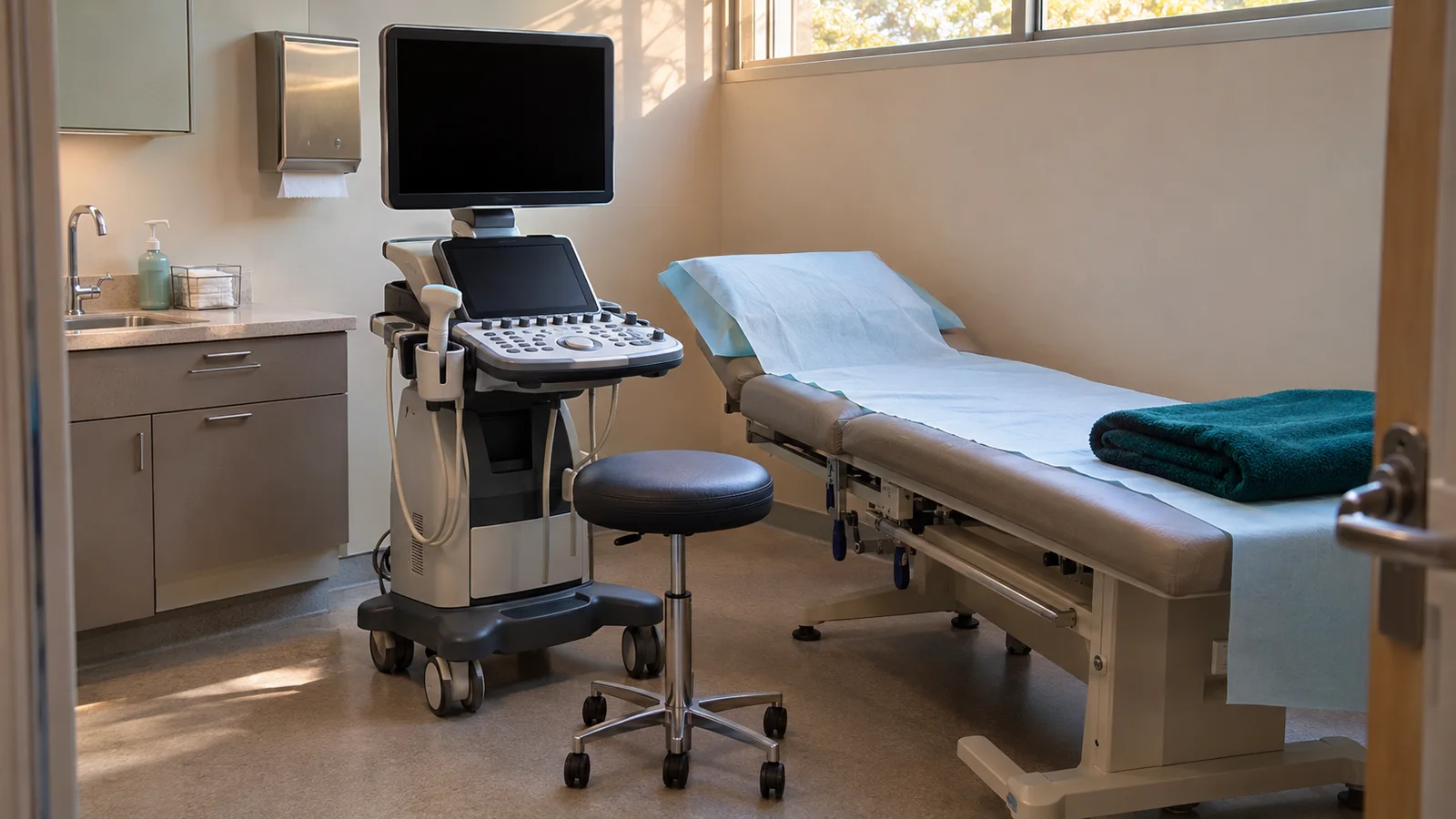
Fatty liver often comes to light on a scan you had for another reason. For most people, the next conversation is about blood tests or a scan that estimates how stiff the liver is. A liver biopsy comes up in more specific circumstances. Your clinician might suggest one if the tests point in different directions, or if looking at a small sample of tissue could answer a question that affects your care. Before deciding, ask what that question is and how the possible answers would change the plan.
Julissa Clay's Non-Alcoholic Fatty Liver Disease Solution overview describes a separate digital wellness guide. This article explains the medical decisions around biopsy for metabolic dysfunction-associated steatotic liver disease, or MASLD, a condition formerly called non-alcoholic fatty liver disease.
What the tests before a biopsy are trying to establish
Fat in the liver and scars in the liver are different findings. A routine ultrasound can suggest fat is present. To estimate the chance of advanced scarring, clinicians usually start with tests that can be done without taking tissue. They may calculate FIB-4 from age and routine blood test results, or order a stiffness measurement such as transient elastography. The American Association for the Study of Liver Diseases describes using these tools in sequence to decide who can be followed without an invasive test and who may benefit from a closer look.
Sometimes the first two tests give different impressions. One may suggest a low chance of advanced scarring while another is harder to interpret or shows higher stiffness. This does not automatically mean you need a biopsy. The next step might be to check whether both results were reliable, review past results, repeat a test under different conditions, or use a different test. If the request for a biopsy comes after several appointments, ask your clinician to show you which results agree and which result still needs an explanation.
When looking at a sample may change the decision
A pathologist examines the tissue under a microscope. In someone with MASLD, the sample can show whether fat is accompanied by inflammation and injury to liver cells, changes that can support a diagnosis of metabolic dysfunction-associated steatohepatitis, or MASH. It can also show the pattern and extent of scarring in the sample. Sometimes the main reason for the procedure is a concern that another liver condition could be present alongside fatty liver. Unexplained abnormal liver tests can be part of that discussion.
Ask the referring clinician what they would do if the sample shows mild changes, substantial scarring, or signs of a different illness. For example, they might use the stage of scarring to decide what monitoring you need, or investigate a possible second cause. If the same plan would apply whichever result comes back, ask whether monitoring or another noninvasive test could answer enough for now. A biopsy also has limits. It represents a small part of the liver, so the clinician reads it alongside the scan results, blood tests and medical history.
It is also worth asking whether the decision is time-sensitive. If your clinician thinks another test can safely come first, ask what the team will look for and when you will review the result. Sometimes a prior report held by another health system can help the specialist judge whether a finding is new or has been stable for years. Bring copies when you have them, including the date and type of scan. Ask if the specialist needs the original images or only the written report before you request them.
How to prepare if a biopsy goes ahead
Ask which type of biopsy you are having and why that approach fits your situation. For a percutaneous biopsy, the team takes the sample through the skin, usually with imaging to locate the liver. A transjugular biopsy uses a vein in the neck to reach the liver and may be considered in some people whose bleeding risk or abdominal fluid makes a biopsy through the skin less suitable. The setting, preparation and recovery instructions may differ, so identify the department that will do the procedure and keep its number handy.
Bring an up-to-date list of prescription medicines, nonprescription drugs, vitamins and supplements. Flag blood thinners, aspirin and diabetes medicines. Ask the team for instructions about what to take before and after the appointment. If your biopsy team and a prescribing clinician give different directions, contact them to reconcile the plan before changing a medicine. Ask how fasting could affect a medicine you take with food. The clinic should also tell you whether you need blood work beforehand, whether you need a ride home, and whether someone should stay with you after discharge.
What can happen on the day
For a biopsy through the skin, a clinician commonly uses ultrasound and numbs the skin and surrounding area. They may ask you to stay still or briefly hold your breath while the sample is taken. If holding your breath or lying in a particular position is difficult for you, say so before the procedure. Ask what you might feel and how to let the team know that you need a pause. The team will explain the plan for numbing medicine and any sedation, which can vary by procedure and clinic.
Taking the sample is only part of the appointment. Afterward, staff usually observe you for several hours, checking your pulse, blood pressure and symptoms. Ask what you should expect before leaving, how long you may be there and when to have your ride available. Before discharge, check that you have written instructions about activity, dressing care and whom to contact. If you do physical work, care for someone who needs lifting, or have to travel soon, describe those plans so the team can give you relevant advice.
Leave room to clarify the recovery plan before you go home. For instance, ask how to handle a missed regular medicine, when you can shower or remove the dressing, and what limits apply to lifting or exercise. Ask who handles questions about the procedure and who handles questions about your long-term liver care. The discharge team and the clinician who requested the biopsy may have different roles, especially if you had the procedure at a different hospital.
Know which recovery symptoms need prompt attention
Some soreness near the biopsy site can occur. Ask which pain relief is appropriate for you and how long the team expects discomfort to last. Bleeding is a recognized risk of liver biopsy, including bleeding inside the body. Severe or worsening abdominal or shoulder pain, fainting or marked dizziness, trouble breathing, or bleeding that does not stop needs emergency assessment. Seek urgent medical advice for fever or concerning redness or swelling at the biopsy site. Follow the specific instructions on your discharge paperwork, and tell anyone assessing you that you recently had a liver biopsy.
If you have someone with you at home, let them know where the discharge instructions and contact details are. It can help to record the time symptoms started and how they changed, provided that doing so does not delay care. Keep the biopsy date, hospital name and medicine list available. If you are unsure whether an after-hours problem can wait until the office opens, use the urgent advice route the team gave you.
Prepare for the conversation about your results
Before the procedure, ask when the pathology report is likely to be ready and who will explain it. A result may appear in your patient portal before the clinician has compared it with your other tests. Write down unfamiliar terms and ask the clinician to translate them into the next step. Useful questions include whether the sample was adequate, whether it answered the original question, and whether the result changes the timing or type of monitoring. If it differs from an earlier scan, ask how the team interprets the two findings together.
Make sure you know which clinician will coordinate follow-up if more than one office is involved. Ask whether your primary care team will receive a copy, whether any repeat test is already planned, and whom to contact if you have not heard by the expected date. If you and your clinician decide to postpone or skip biopsy, ask for that follow-up plan as well. The Non-Alcoholic Fatty Liver Disease Solution listing gives the particulars of Julissa Clay's separate educational guide.
Sources and further reading
- American Association for the Study of Liver Diseases, Noninvasive Assessment of Patients With MASLD
- American Association for the Study of Liver Diseases, Expert-Based Practice Opinion on Liver Biopsy
- National Institute of Diabetes and Digestive and Kidney Diseases, Liver Biopsy
- University College London Hospitals NHS Foundation Trust, Percutaneous Liver Biopsy
- Frimley Health NHS Foundation Trust, Liver Biopsy
RECOMMENDED READING
A practical guide for readers interested in fatty liver diseaseA guide to fatty liver disease

The Non Alcoholic Fatty Liver Disease Solution
A digital guide by Julissa Clay. Review the guide overview and contents before deciding whether it is relevant to you.
- Topic: fatty liver disease
- Author: Julissa Clay
- Format: digital guide
 Secure checkout through ClickBank
This page contains affiliate links. We may earn a commission if you purchase through them, at no extra cost to you.