Shingles Antivirals: What the 72-Hour Window Means
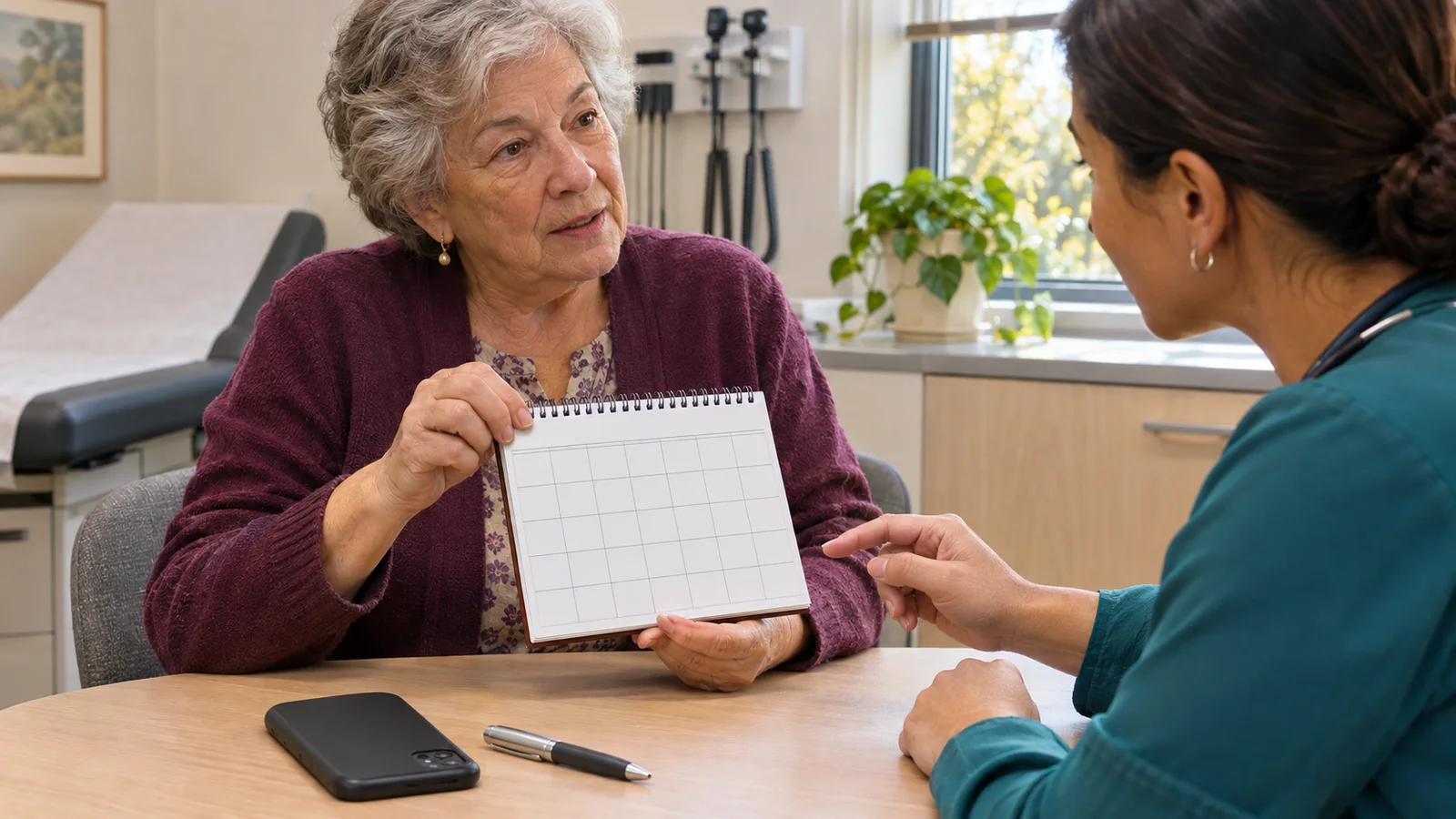
A patch of burning skin appeared on Saturday. The first bumps showed up Sunday morning, and by Monday some had turned into blisters. Which of those dates matters if the rash might be shingles? All three are useful. Antiviral medicines generally work best when started early, and the clinician needs to know when the rash appeared and how it has changed. If you suspect shingles, contact a healthcare professional promptly, even if you are unsure of the date or think three days have passed.
For related reading, see the product overview for The Shingle Solution by Julissa Clay. The guidance below explains what to tell a healthcare professional when seeking care for a new rash.
What the 72-hour window means
Shingles occurs when the varicella-zoster virus, which also causes chickenpox, becomes active again. Pain, itching, or tingling can start before the rash. The Centers for Disease Control and Prevention stresses early treatment, while patient guidance from the NHS describes antiviral tablets as working best when started within three days of the rash appearing. If the skin felt uncomfortable for two days before you saw any bumps, give the clinician both dates. Avoid using the first blister as the starting point if a rash was visible earlier.
The window describes when antiviral treatment is most effective. It cannot tell you whether your rash is shingles or whether a prescription is right for you. The area involved, severity of the rash or pain, age, and immune health can all matter. A mild rash on the trunk in a person with no other risk factors can lead to a different decision from blisters around an eye or a rash in someone receiving immune-suppressing treatment, even when the rashes appeared at about the same time.
When treatment can still be considered after three days
Call even if you notice the rash on a Friday and cannot speak to your usual clinic until Monday. You can ask what same-day or out-of-hours options are available locally. Ireland’s Health Service Executive advises clinicians to consider antiviral medication up to a week after rash onset in some circumstances. Examples include new blisters that are still appearing, severe pain, older age, a weakened immune system, or a rash involving several areas served by different nerves.
Tell the clinician whether there were new blisters today or whether the spots you see are all older and drying. If the rash is on your back or otherwise difficult to see, say that the timing is uncertain. A dated photo you already have can show what the skin looked like earlier. An approximate date is fine if the alternative is delaying the call while you look for a photograph or ask someone else to check.
Seek urgent assessment for a suspected shingles rash on the eye or nose, new vision changes, or symptoms of shingles with a severely weakened immune system. If you are pregnant and develop symptoms that might be shingles, contact your maternity or medical team promptly. State the reason for urgency at the start of the call so the person arranging care can direct you. A photo sent through a portal can help when the clinic requests one, but it may sit unread if the inbox is monitored only during office hours.
The person you first reach may ask whether the rash is confined to one part of the body. Use landmarks they can picture, such as “under my right arm and across my ribs,” and tell them if spots have appeared in another area. If there is no obvious rash yet, describe the symptoms and ask what to do if spots appear later. Burning skin has several possible causes, and the clinician may want to assess symptoms that seem unusual for shingles.
What an antiviral prescription can change
Antivirals used for shingles include acyclovir, valacyclovir, and famciclovir. When appropriate, treatment can help the rash resolve sooner, limit new blisters, and make the acute pain less severe. Skin changes and discomfort can still take time to settle. Some people develop persistent nerve pain after the skin heals. If pain is keeping you awake or making it hard to wear clothing, bring that up separately. The clinician can discuss pain relief alongside the decision about an antiviral.
Some rashes resemble shingles. A clinician may be able to recognize a typical rash by looking at the skin and hearing how the symptoms unfolded. If the appearance is unusual or the diagnosis is uncertain, a laboratory test can sometimes help. The CDC describes a PCR test for varicella-zoster virus as the most useful laboratory test for confirmation. Ask whether an exam or a test would change the immediate plan and how you would receive the result.
What to have ready when you call
You can put the relevant details in a short note on your phone. Start with the day you first noticed skin discomfort, the day you saw the rash, and the most recent day a fresh blister appeared, if you know. Describe where it started and whether the pattern changed. Mention pain and how it affects an ordinary activity, such as showering, sleeping, or putting on a shirt. If you report a number on a pain scale, add one example so the clinician knows what that number means for you.
Have your medication list nearby, including medicines prescribed elsewhere, supplements, and any drug allergies. Tell the clinician if you take immune-suppressing medicines or are undergoing cancer treatment. Include a history of kidney disease, even if another clinic manages it. Kidney function can affect how certain antivirals are prescribed. For example, the FDA-approved valacyclovir prescribing information includes different doses for adults with reduced kidney function. If a recent kidney test is in another health system, tell the clinician where and when it was done.
Here is one way to give the information clearly: “I first felt burning on my left ribs Saturday evening. I saw the rash Sunday morning, and another blister appeared today. It hurts when my shirt touches it. I take an immune-suppressing medicine and can read you the label.” The side of the body, timing, and medication history can each help a clinic decide how quickly you need an assessment.
If you are calling a clinic that does not know your medical history, explain why you take any medicine that affects immunity. The name alone may not tell the clinician whether, for example, it was prescribed for an autoimmune condition or to protect a transplanted organ. If you have the name of your specialist or a current medication list, keep it handy. Share photos or records through the secure method the clinic recommends.
Ask how to follow the plan after the visit
If an antiviral is prescribed, ask the clinician or pharmacist to explain when to start, how to space the doses, what to do if a dose is missed, and whom to call if there is a problem. If you work shifts, travel, or rely on someone else to collect prescriptions, mention that before you leave. A pharmacist can review how the written instructions fit your day. Follow the directions for the current prescription, since tablets left from an earlier illness can have a different strength or schedule.
If the clinician recommends observation, ask what change should trigger a call back and how soon to expect some improvement. Ask the same question if you start an antiviral. For example, find out what to do if fresh blisters continue to appear, the rash spreads, or pain increases. If you are struggling to get through the day because of pain, you can report that before a scheduled follow-up. Write down whom to contact after hours in case the situation changes when the office is closed.
If the pharmacy cannot fill the prescription right away, call the prescriber or ask the pharmacist to help coordinate a solution. Let them know when the rash started and when the pharmacy expects the medicine to be available. That gives them the information they need to decide whether to send the same prescription to another pharmacy or reconsider the plan. If travel or mobility makes a second trip difficult, you can ask about a delivery or pickup option while they sort out availability.
The details that matter most
Prompt assessment gives you the best chance to discuss treatment while it can help most. Share when the rash began, whether new blisters are still appearing, where the rash is, and whether you have a weakened immune system or kidney disease. If a few days have already gone by, those same details help the clinician decide what to do next. For a separate overview of the digital guide and its contents, see the product page for The Shingle Solution.
Sources and further reading
RECOMMENDED READING
A practical guide for readers interested in shinglesA guide to shingles

The Shingle Solution
A digital guide by Julissa Clay. Review the guide overview and contents before deciding whether it is relevant to you.
- Topic: shingles
- Author: Julissa Clay
- Format: digital guide
 Secure checkout through ClickBank
This page contains affiliate links. We may earn a commission if you purchase through them, at no extra cost to you.