Shingles at Home: How to Protect Family While the Rash Heals
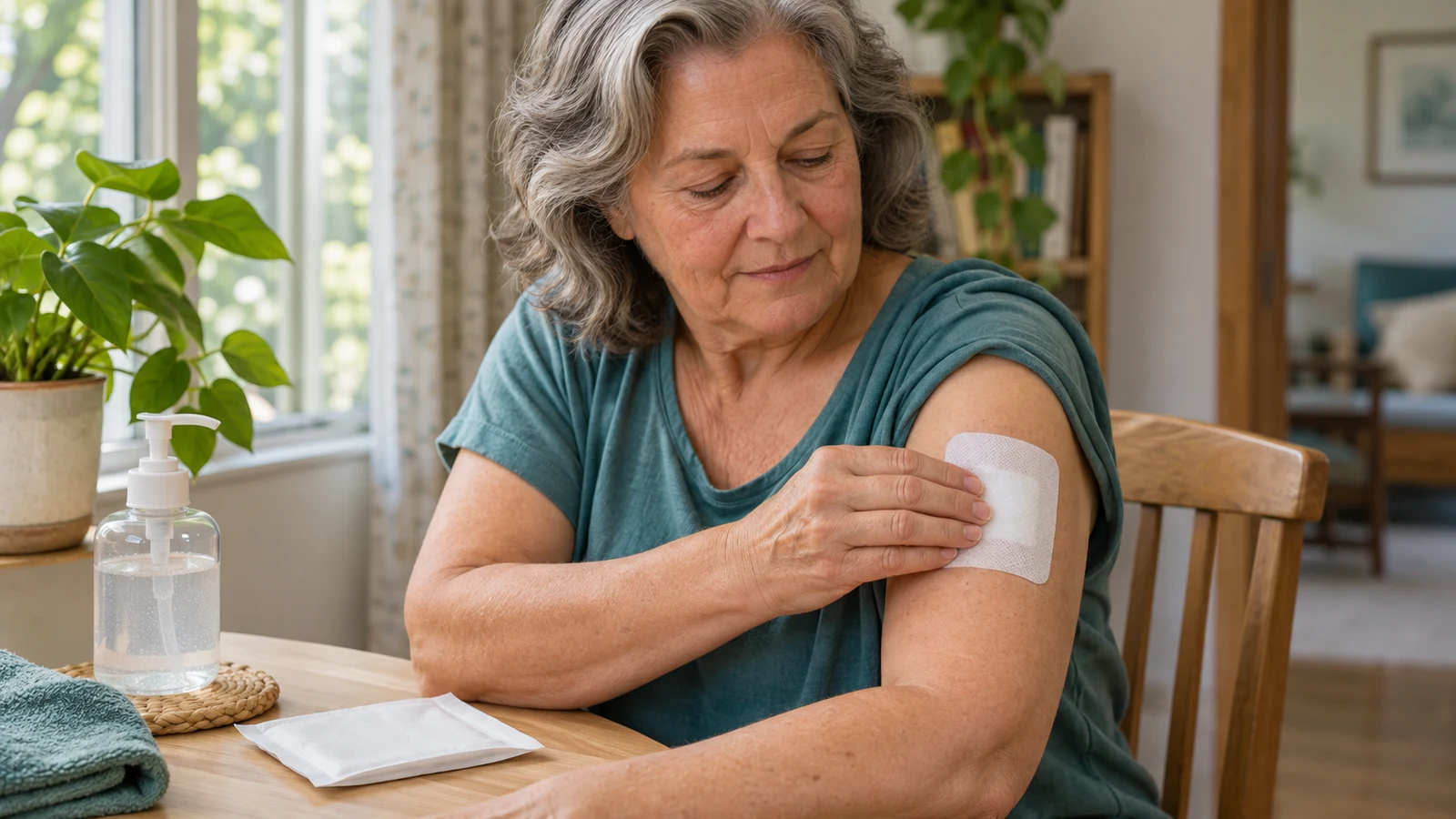
A shingles rash can bring up a question that affects everyone at home: can someone else catch it? Shingles itself comes from a virus already in the body. While the rash has active blisters, however, a person with shingles can pass that virus to someone who is susceptible to chickenpox. Covering the rash, knowing which visitors to postpone, and telling people about a possible exposure early can help protect family members while the skin heals.
For information about the digital guide sold on this site, see The Shingle Solution by Julissa Clay. The steps below focus on advice from public health and medical sources about household contact and when to get help.
What someone else can catch
Shingles and chickenpox are caused by the same virus, varicella-zoster. After chickenpox, the virus can remain in the body and reactivate much later as shingles. If a person who lacks immunity becomes infected after exposure to a shingles rash, the illness they can develop is chickenpox. They do not develop shingles directly from that encounter.
The virus can spread through contact with fluid from the blisters or by breathing in particles from them. A rash that stays covered is less likely to spread the virus. The contagious period starts when blisters appear and ends once all the blisters have dried and crusted over. One patch may look dry while another is still moist. Check the whole affected area if you can, or ask a clinician to look at any part you cannot see clearly.
Use the condition of the blisters rather than a fixed number of days to judge when precautions can end. A shirt may feel less irritating or the pain may improve before the skin finishes crusting. The reverse can happen too: nerve pain sometimes continues after the rash has healed. Lingering pain alone does not extend the contagious period.
Cover the rash during ordinary activities
Loose clothing may cover a patch on the chest, back, or upper arm. For an area where clothing is not enough, the NHS suggests a non-stick dressing. Avoid putting adhesive directly on the rash. If material sticks to the blisters, if the area is difficult to reach, or if a dressing will not stay in place, ask a pharmacist or clinician how to protect the skin. A rash near the eye or on the nose needs urgent assessment.
Try to avoid picking or scratching blisters. Wash your hands often with soap and water, especially after touching the affected area or handling a dressing. Keep your towel for your own use while the rash is active. If someone is helping with daily care, tell them where the rash is so they can avoid contact with it. A fresh shirt or a change of dressing before a family meal can make keeping an area covered easier if the fabric has shifted or become damp.
Some rashes are hard to cover, and some people develop lesions beyond one small area. Contact a healthcare professional promptly if the rash is widespread or you have a weakened immune system. Tell the clinic you may have shingles when arranging the visit so staff can tell you where to go on arrival.
Who should postpone a visit?
Take extra care around people who could become seriously ill from chickenpox. The CDC highlights pregnant people who have never had chickenpox or the chickenpox vaccine, premature or low-birth-weight infants, and people with weakened immune systems. The NHS also advises avoiding newborn babies. A visitor who takes medicines that suppress the immune system may already have guidance from their care team about exposure.
If someone in one of these groups is coming over, postpone the visit until every blister has crusted. A phone or video call can replace an in-person visit. If a higher-risk person lives with you or normally helps with personal care, ask a healthcare professional what precautions make sense for your household while the rash remains active. When possible, arrange for another person to help with tasks that would put the higher-risk person close to the affected skin.
Someone may be unsure whether they had chickenpox as a child or received the vaccine. For a person at higher risk, uncertainty is worth raising with their clinician. A vaccination record or other medical documentation can help the care team assess immunity. You do not need to work this out for the person yourself.
What to do if someone may already have been exposed
Let the person know promptly, especially if they are pregnant, immunocompromised, or caring for a newborn. If possible, give them the date of the visit, whether your rash was covered, and whether there was direct contact with the rash or blisters. For example, “You helped change the dressing on Tuesday while I still had blisters” is more useful than “I think you may have been exposed last week.”
People at higher risk should contact their healthcare team promptly after a possible exposure, even if they feel well. Depending on their immunity, health, and timing, a clinician may consider measures after exposure. The choice depends on the individual and may be time sensitive. If a person develops fever or a rash after an exposure, they can call the clinic before going in and mention the possible chickenpox exposure so staff can advise on the safest way to be seen.
The CDC places the usual interval from exposure to chickenpox symptoms at 10 to 21 days. A well person the day after contact can still benefit from calling promptly if they are at higher risk. In a shared home, note the dates of repeated contact if you know them. The care team can explain when to watch for symptoms and what to do if another household member becomes unwell.
Work, school, and care settings
If the rash is still weeping and cannot be covered, NHS guidance advises staying away from work or school until the rash dries. Workplaces can have additional policies. If you work around patients, small children, or people whose immune systems are weakened, check with occupational health or your supervisor before returning. Explain whether the rash can stay fully covered for the whole shift. This can change when work involves lifting, frequent uniform changes, or long periods in warm clothing.
At home, a practical check before going out is whether the dressing or clothing will stay in place through the activity. If you normally swim with family, share a towel during exercise, or rely on someone to help you get dressed, think about which parts of that routine involve the affected skin. Keep scheduled medical appointments unless the clinic advises a change, and call ahead so staff can plan for your arrival.
Get advice early and watch for new blisters
If you think you have shingles, contact a healthcare professional soon after the rash appears. Prescription antivirals work best when started early. Seek urgent advice for a rash near the eye or on the nose, a change in vision, or a suspected shingles rash when your immune system is severely weakened. While waiting for advice, cover the rash if you can and postpone close contact with higher-risk visitors. Check for new blisters before assuming the contagious period is over.
Household precautions can end once every blister has dried and crusted. If you are unsure whether the skin has reached that stage, ask the clinician who assessed the rash. Readers interested in the digital guide can review the product page for The Shingle Solution.