Shingles Near the Eye: What an Eye Exam Can Check
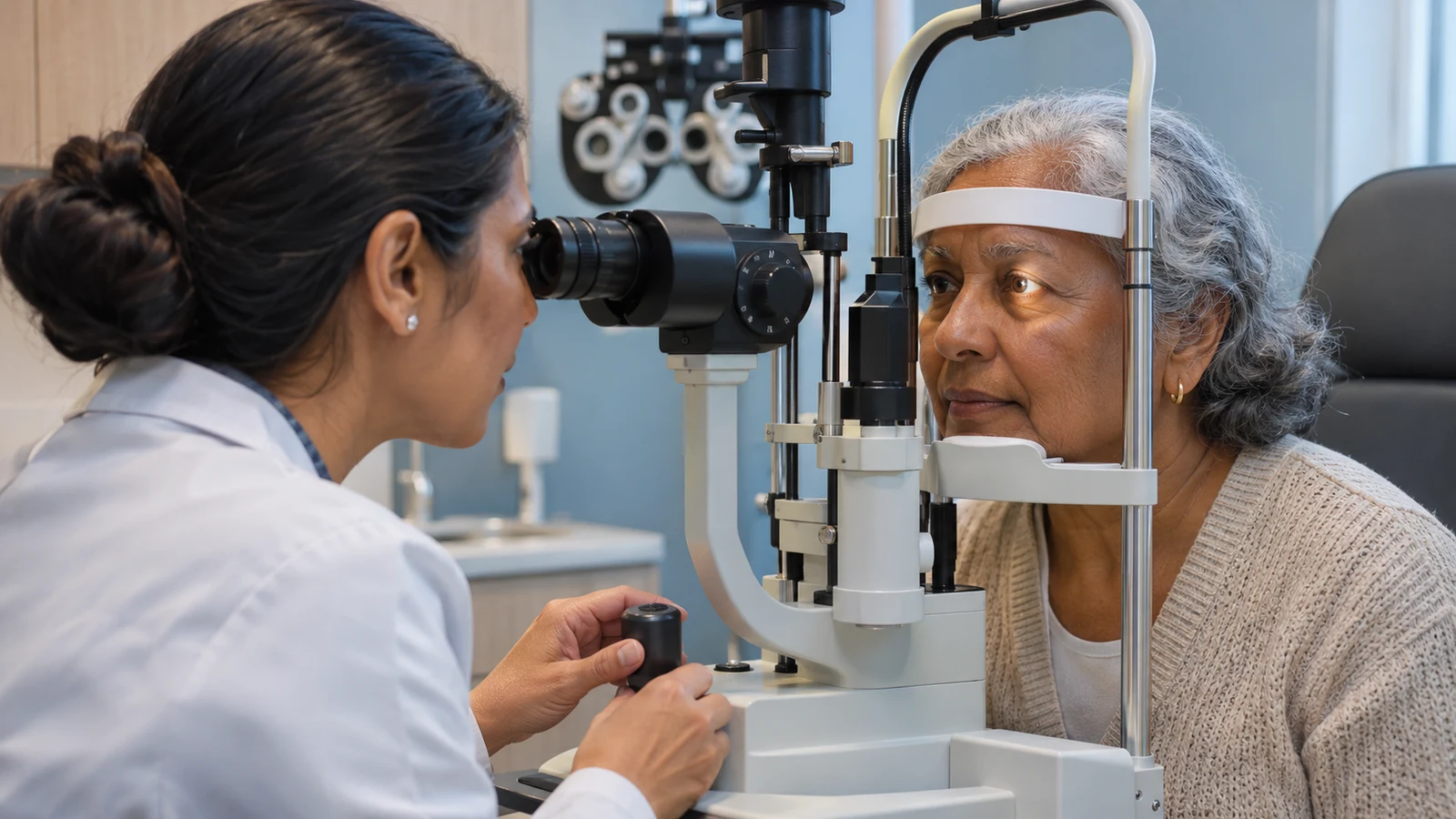
A painful, one-sided rash that may be shingles near an eyelid, on the forehead close to the eye, or on the nose warrants urgent medical assessment, even when vision seems normal. Eye pain, redness, sensitivity to light, or blurred vision are important to mention when calling for care. An eye exam can look for changes that are hard to see in a mirror.
For background reading, Julissa Clay’s digital guide The Shingle Solution covers shingles and daily routines during recovery.
What the eye clinician may check
The clinician may test how clearly each eye sees and use a bright microscope called a slit lamp to look at the cornea, the clear front surface of the eye. This exam can help spot inflammation on the surface or inside the eye. The clinician may also measure eye pressure, which can rise when the eye is affected.
What to say when you call
Describe where the rash started, which side of your face it is on, and when you first noticed it. Say whether light has become uncomfortable or your vision has changed. Mention any condition or medicine that weakens your immune system. These details can help the clinic decide where you should be seen and how soon. If vision changes or eye pain develop while you are waiting for an appointment, contact urgent care promptly.
Ask what needs checking after the rash fades
Eye inflammation can appear after the first visit. Before leaving, ask whether you need a follow-up eye exam, when it should happen, and who to call if redness, light sensitivity, or blurry vision starts or returns.
Once you have arranged any needed care, you can also review The Shingle Solution by Julissa Clay for general reading about shingles and recovery routines.