Fecal Calprotectin: What This Stool Test Can Tell You
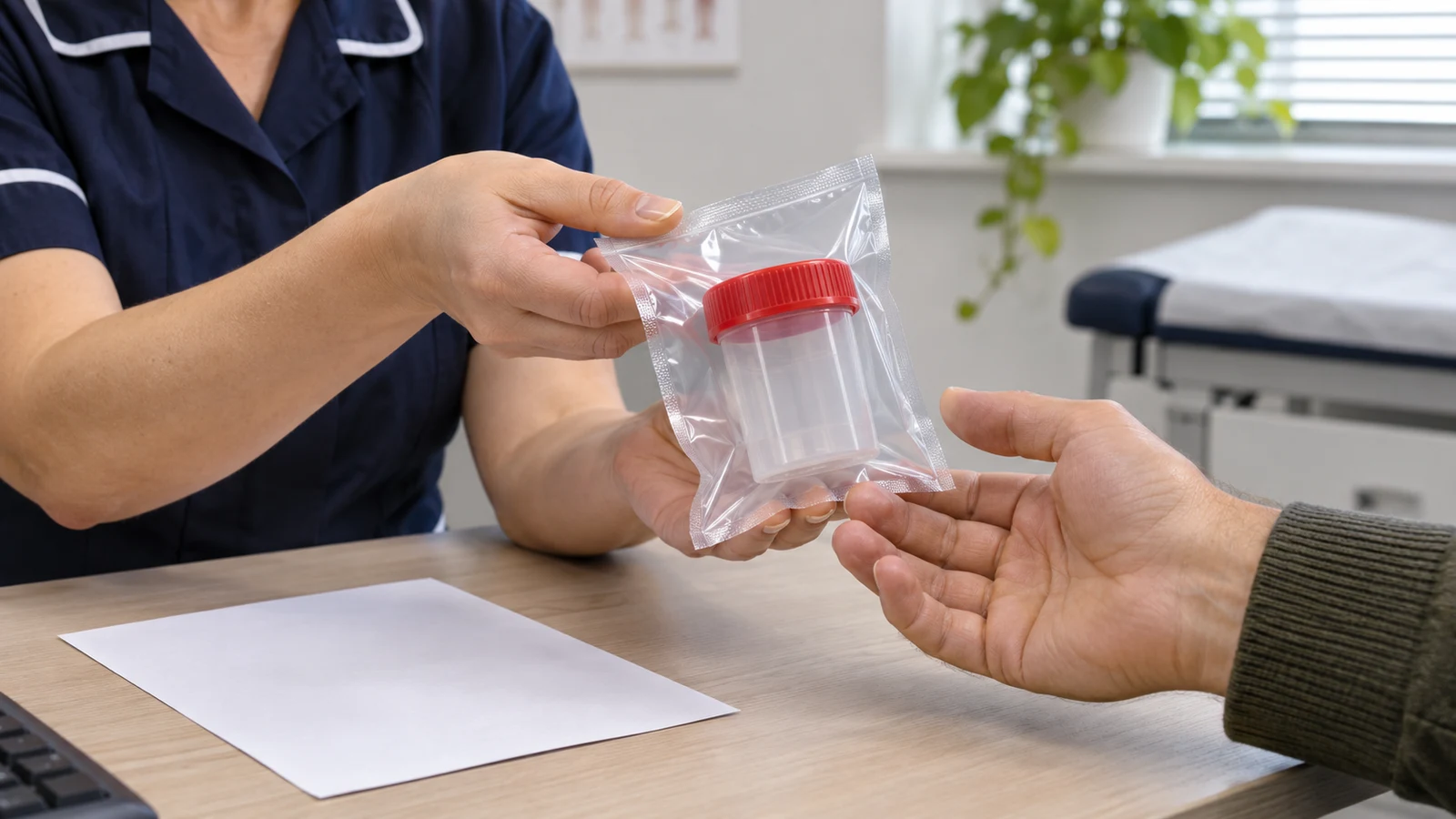
If diarrhea or abdominal discomfort keeps coming back, your clinician may ask for a stool sample to measure calprotectin. This protein can rise when there is inflammation in the digestive tract. The result can help your care team decide whether to investigate inflammatory bowel disease (IBD) or consider other explanations, such as irritable bowel syndrome (IBS).
Check the collection and return instructions
Use the container the clinic gives you and follow its instructions for collecting, labeling, and returning the sample. Keep toilet water and urine out of the sample. Ask the clinic how soon to return it and whether it needs to be stored a certain way. Tell the team if you have recently had a stomach infection or take medicines such as ibuprofen or aspirin, because these can affect how they interpret your result. Ask before changing any regular medicine.
Ask what the result means with your symptoms
A raised result can point to inflammation. Several conditions, including gut infections, can raise the level, so the result alone cannot tell your clinician the cause. A lower result makes active bowel inflammation less likely, although it does not explain every ongoing symptom. Your clinician will look at the lab’s reference range and consider your symptoms and other findings together.
Agree on when to follow up
Ask when to expect the result and who will explain it. Depending on your symptoms and where the result falls, your clinician may suggest repeating the sample, ordering other tests, or arranging a specialist review. If symptoms continue after a low result, ask what the next step is. Tell your clinician promptly about new blood in the stool or unexplained weight loss rather than waiting for the result.